Orthodontic Relapse: Teeth That Shifted After Braces
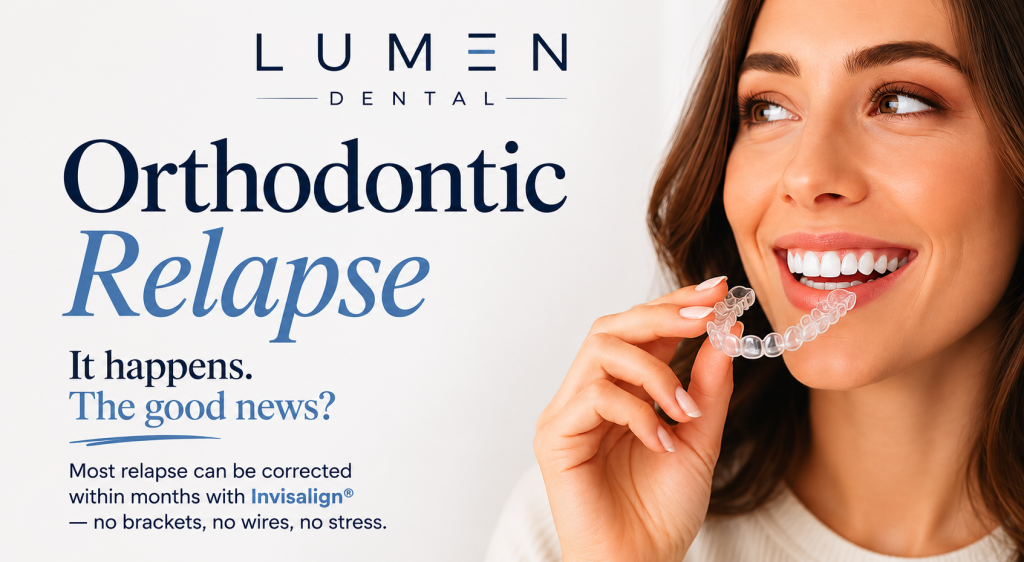
You spent years wearing braces and finally achieved the straight smile you always wanted. Then life happened. Maybe you stopped wearing your retainers consistently, your bite changed over time, or your teeth gradually shifted as you got older. If you’ve noticed crowding, gaps, or crooked teeth returning years after orthodontic treatment, you’re not alone.
This common condition is called orthodontic relapse, and it affects millions of adults who previously completed braces or clear aligner treatment. The good news is that many cases can be corrected with Invisalign® clear aligners, often in significantly less time than the original orthodontic treatment.
At Lumen Dental, we help patients throughout Tysons Corner, Vienna, McLean, Falls Church, and surrounding Northern Virginia communities restore their smiles with personalized Invisalign treatment designed specifically for orthodontic relapse.
What Is Orthodontic Relapse?
Orthodontic relapse occurs when teeth gradually move away from their ideal positions after braces or Invisalign treatment has been completed. Even patients who achieved excellent orthodontic results can experience shifting years later.
Common signs of orthodontic relapse include:
- Crowding of the lower front teeth
- Small gaps reopening between teeth
- Teeth appearing crooked again
- Changes in your bite
- Difficulty flossing between crowded teeth
- Teeth no longer fitting together comfortably
While relapse can be frustrating, it is often easier to correct than the original orthodontic problem.
Why Do Teeth Shift After Braces?
Many patients believe that once braces come off, their teeth will stay perfectly straight forever. Unfortunately, teeth naturally want to move throughout life.
Common Causes of Orthodontic Relapse
- Inconsistent Retainer Wear – Retainers are designed to hold teeth in their corrected positions. When retainers aren’t worn as directed, teeth can begin shifting surprisingly quickly.
- Natural Aging – Our jaws, muscles, and bite naturally change over time. These gradual changes can affect tooth positioning even years after orthodontic treatment.
- Bite Forces – Daily chewing, grinding, and clenching can place pressure on teeth and contribute to movement over time.
- Gum and Bone Remodeling – The tissues that support teeth continuously adapt throughout life, allowing minor tooth movement to occur.
- Lifestyle Factors -Changes in oral habits, missing teeth, dental work, and other factors can influence how teeth fit together and contribute to shifting.
Can Invisalign Fix Teeth That Shifted After Braces?
In many cases, yes.
Invisalign is one of the most effective and popular treatments for correcting orthodontic relapse. Because many relapse cases involve mild to moderate tooth movement, treatment can often be completed faster than the patient’s original braces treatment.
Benefits of Invisalign for orthodontic relapse include:
- Virtually invisible appearance
- Comfortable custom-made aligners
- No brackets or wires
- Removable for eating and brushing
- Fewer office visits
- Predictable digital treatment planning
Many patients are surprised to learn that they may be able to restore their smile in just a few months.
How Long Does It Take to Correct Orthodontic Relapse?
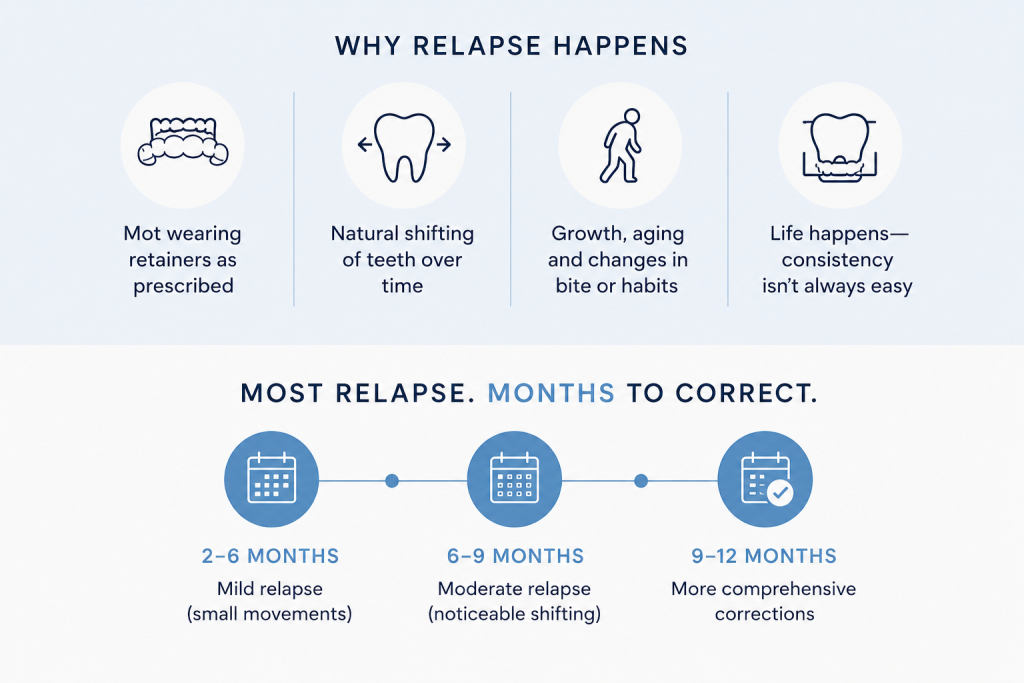
Treatment time depends on how much shifting has occurred.
Mild Relapse
- 2–6 Months –Minor crowding, small gaps, or slight rotations can often be corrected relatively quickly.
Moderate Relapse
- 6–9 Months – Noticeable tooth movement may require additional aligners and treatment time.
More Significant Relapse
- 9–12 Months or Longer – More comprehensive corrections may require a longer Invisalign treatment plan.
Why Retainers Matter After Invisalign
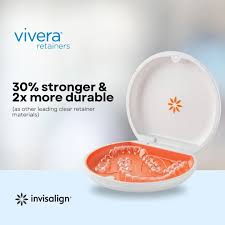
One of the biggest misconceptions about orthodontic treatment is that straight teeth stay straight automatically.
The reality is that retainers play a critical role in protecting your results. Whether you’ve completed braces treatment years ago or recently finished Invisalign, retainers help prevent future tooth movement and reduce the risk of relapse.
Benefits of wearing retainers include:
- Maintaining tooth alignment
- Preventing crowding from returning
- Protecting your orthodontic investment
- Reducing the likelihood of future treatment
For most patients, wearing retainers consistently is the best long-term defense against orthodontic relapse. In our office we use Invisalign Vivera Retainers.
Am I a Candidate for Invisalign Relapse Treatment?
You may be a good candidate if:
- You had braces or Invisalign in the past
- Your teeth have shifted over time
- You have mild to moderate crowding
- Small gaps have reopened
- You want to avoid traditional braces
- You want a discreet orthodontic solution
The best way to determine your eligibility is through a consultation with our team.
Frequently Asked Questions About Orthodontic Relapse
Can Invisalign fix teeth that shifted after braces?
- Yes. Many cases of orthodontic relapse can be corrected with Invisalign clear aligners. Minor tooth movement may be corrected in just a few months, while more complex cases may require additional treatment time.
Why do teeth shift after braces?
- Teeth can shift due to inconsistent retainer wear, natural aging changes, bite forces, gum and bone remodeling, and everyday habits. This process is known as orthodontic relapse.
Do I still need retainers after Invisalign?
- Yes. Retainers are essential after Invisalign treatment to help maintain your results and prevent future tooth movement.
Is orthodontic relapse permanent?
- No. Many cases of orthodontic relapse can be successfully corrected with Invisalign or other orthodontic treatments. Early intervention often leads to simpler and faster treatment.
How soon can teeth shift after braces?
- Teeth can begin shifting within months if retainers are not worn consistently. However, relapse can also occur gradually over many years.
Is Invisalign faster for relapse cases?
- Often, yes. Since the teeth were previously aligned, many orthodontic relapse cases require less movement than initial orthodontic treatment.
Schedule Your Appointment Today
Lumen Dental treats patients in Tysons Corner and nearby areas including Vienna, McLean, Great Falls, Falls Church. Our office is conveniently located near The Boro and the Greensboro Metro, with reserved parking available.
Regular exams and cleanings are the foundation of long-term oral health. Our team is here to provide gentle, thorough care to help you maintain a healthy, confident smile.
Ready to Get Started?
Call our office today to schedule your appointment or request a visit online. We look forward to helping you maintain your oral health.
📞 Call Now: (703) 219-8575