

Treating Sleep Apnea for Better Sleep and Health
Sleep apnea can affect quality of life in many ways, but effective treatments can help you breathe easier and rest better. If you’re struggling with daytime fatigue or frequent awakenings at night, understanding your options is the first step toward relief.
Why Addressing Sleep Apnea Matters
Sleep apnea is more than just snoring — it’s a condition where breathing repeatedly stops and starts during sleep. This disrupts rest and can lead to serious health issues like high blood pressure, heart disease, or daytime drowsiness that impacts your daily activities. Recognizing and treating sleep apnea can make a significant difference in your energy levels, mood, and overall well-being.
Common Treatment Options for Sleep Apnea
Lifestyle Changes
Sometimes, small adjustments can improve sleep apnea symptoms. Losing weight if overweight, avoiding alcohol and sedatives before bedtime, and sleeping on your side rather than your back may reduce airway obstruction during sleep. While lifestyle steps alone may not cure sleep apnea, they’re an important foundation and often a helpful complement to other treatments.
Continuous Positive Airway Pressure (CPAP) Therapy
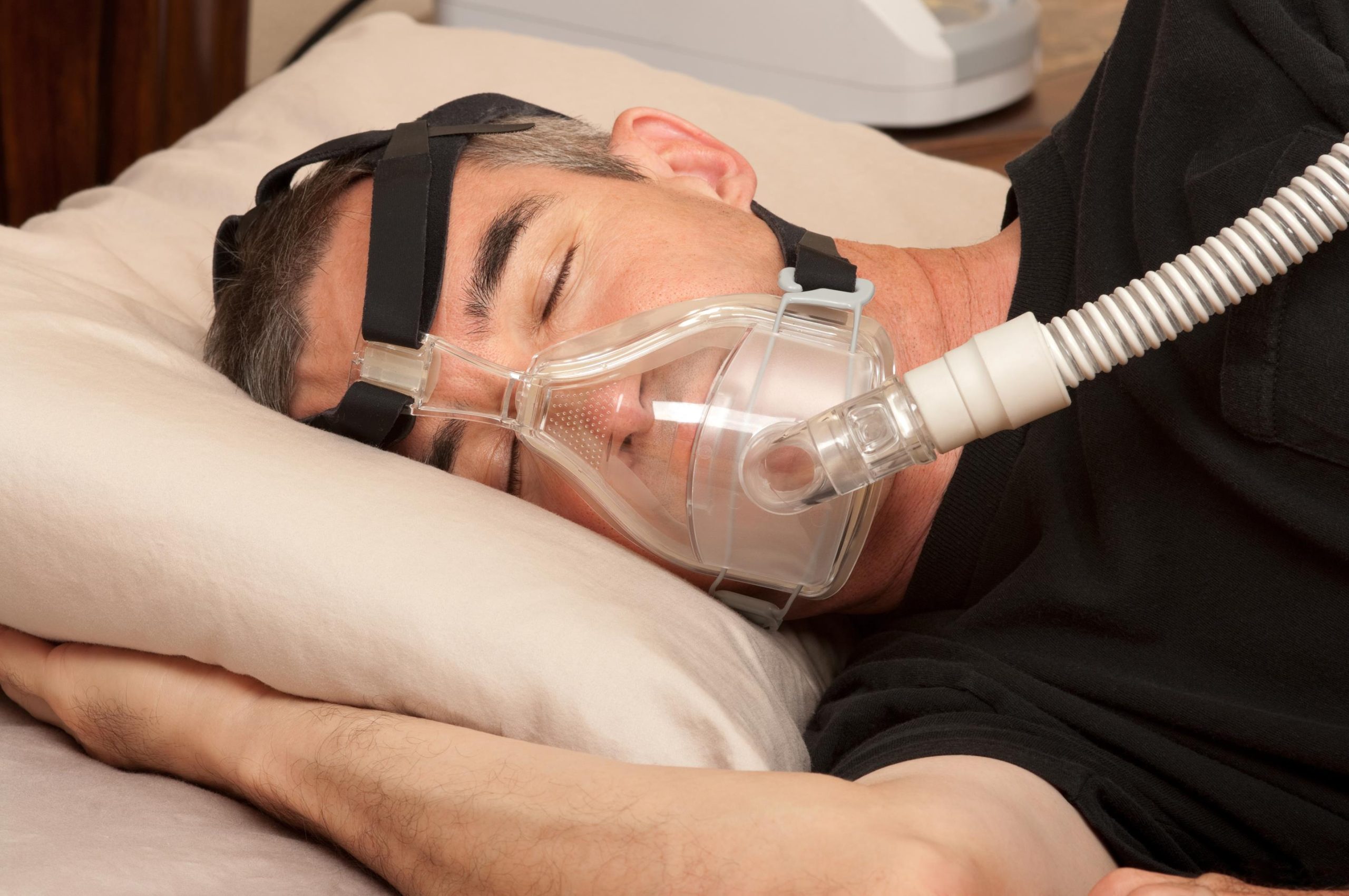
CPAP machines are commonly prescribed and work by gently blowing air into your airway to keep it open throughout the night. Many users find relief quickly, although adjusting to using the mask can take some time. Our team works closely to find the most comfortable fit and settings, which can really help with adaptation. If you’re worried about the experience, remember: many patients notice a boost in energy after even their first week of use.
Oral Appliances
For those with mild to moderate sleep apnea or who aren’t comfortable with CPAP devices, custom-made oral appliances can reposition the jaw and tongue to keep airways open. These devices are fitted by dental professionals experienced in sleep apnea care and can be a convenient nighttime solution that fits easily into your routine.
Surgical Interventions
In certain cases where other treatments don’t suffice, surgical options may be considered. Surgeries can include removing excess tissue, repositioning the jaw, or implanting devices to stimulate airway muscles. A thorough evaluation helps determine if surgery is suitable, always aiming for the safest and most effective outcome.
Other Emerging Treatments
New therapies, including hypoglossal nerve stimulation and positional therapy, show promise and might be options based on your individual needs. Staying in touch with your healthcare provider ensures you’re up-to-date on treatments best fitting your condition.
Practical Tips for Managing Sleep Apnea
- Keep regular sleep hours: Consistency supports overall sleep quality.
- Maintain your CPAP or oral device: Clean equipment regularly to avoid infections and ensure effectiveness.
- Communicate openly with your healthcare team: Share any difficulties or changes in symptoms to tailor your treatment.
- Track your sleep: Keeping a sleep diary can help identify triggers or improvements over time.
- Consider partner feedback: Loved ones often notice symptoms like snoring or pauses in breathing that you might not be aware of.
Many of our patients report that taking these steps alongside treatment leads to noticeable improvements in how rested they feel and how their days unfold.
Conclusion
Sleep apnea can feel overwhelming at first, but with the right diagnosis and tailored treatment plan, you can regain restful nights and energized days. Whether through lifestyle adjustments, device therapy, or other interventions, support is available every step of the way. If you suspect you have sleep apnea or your current management isn’t working, reach out to Lumen Dental of Tysons Corner in Tysons Corner, VA . We’re here to listen, guide, and help you find the best path toward healthier sleep.
Contact us at (703) 219-8575 or click the button below to schedule an appointment today.