


Here at Lumen Dental of Tysons Corner, we are proud to offer Temporomandibular joint (TMJ) treatments for our patients.
If you have TMJ, it probably started with pain and discomfort in your jaw joint and the muscles used to move your jaw. Pain and discomfort do not always signal a problem and usually go away on their own.
However, if you are having headaches, trouble chewing, and pain in the face, jaw, and ear, you may be experiencing symptoms of TMJ. Some people complain about an uncomfortable bite. Some even feel dizzy or a pain in their neck.
The most common cause of TMJ pain is bruxism, which is commonly referred to as clenching or grinding the teeth. Bruxism often occurs unconsciously, especially during sleep, and places excessive pressure on the jaw muscles and the temporomandibular joints. Over time, this repeated strain can lead to muscle fatigue, inflammation of the joint, jaw stiffness, headaches, facial soreness, and discomfort when opening or closing the mouth.
In addition to causing TMJ pain, bruxism (clenching and grinding) can lead to several other dental problems over time. The excessive forces placed on the teeth can wear down enamel, which often results in tooth sensitivity, especially to hot, cold, or sweet foods. Continued grinding may also contribute to gum recession, exposing the roots of the teeth and increasing sensitivity and the risk of decay.
As bruxism progresses, the constant pressure can cause cracks or fractures in teeth, existing fillings, or crowns. In severe cases, this damage can compromise the structure of the tooth to the point where tooth loss may occur.
When a bruxism habit is present, patients may also experience increased post-operative sensitivity following dental procedures such as fillings, crowns, or other restorative treatments. Because the teeth and surrounding tissues are already under stress, the added pressure from clenching or grinding can intensify sensitivity and delay the healing process.
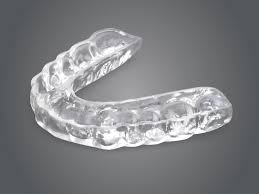
For this reason, wearing a custom night guard is often strongly recommended. A night guard acts as a protective barrier between the upper and lower teeth, reducing the force placed on the teeth and jaw joints during sleep. This helps alleviate TMJ symptoms, protect dental restorations, and significantly reduce post-operative sensitivity after dental treatment. Consistent nighttime use of a night guard can improve comfort, protect your teeth, and support long-term oral health.
Stress, anxiety, misaligned teeth, or bite issues can contribute to clenching and grinding, making TMJ symptoms worse. Because many people are unaware that they grind their teeth, the condition can go untreated until pain or other symptoms develop.
Night guards are sometimes recommended after cosmetic procedures, such as veneers, to help protect the teeth from excessive forces caused by clenching or grinding. Wearing a night guard can reduce the risk of fractures or damage to the restorations and help preserve the longevity of your cosmetic work.
If you are suffering from TMJ, don’t hesitate to contact us today. We will schedule an appointment so we can discuss your options. We will do everything we can to help you have a beautiful, pain-free smile!